
 What Every Property Buyer Should Know Before Signing an Off-Plan Agreement
Purchasing property is one of the most significant financial decisions an individual or family can make. Whether you are buying your first home, investing in a rental apartment or acquiring property for long-term capital appreciation, understanding the terms of your purchase agreement is essential.
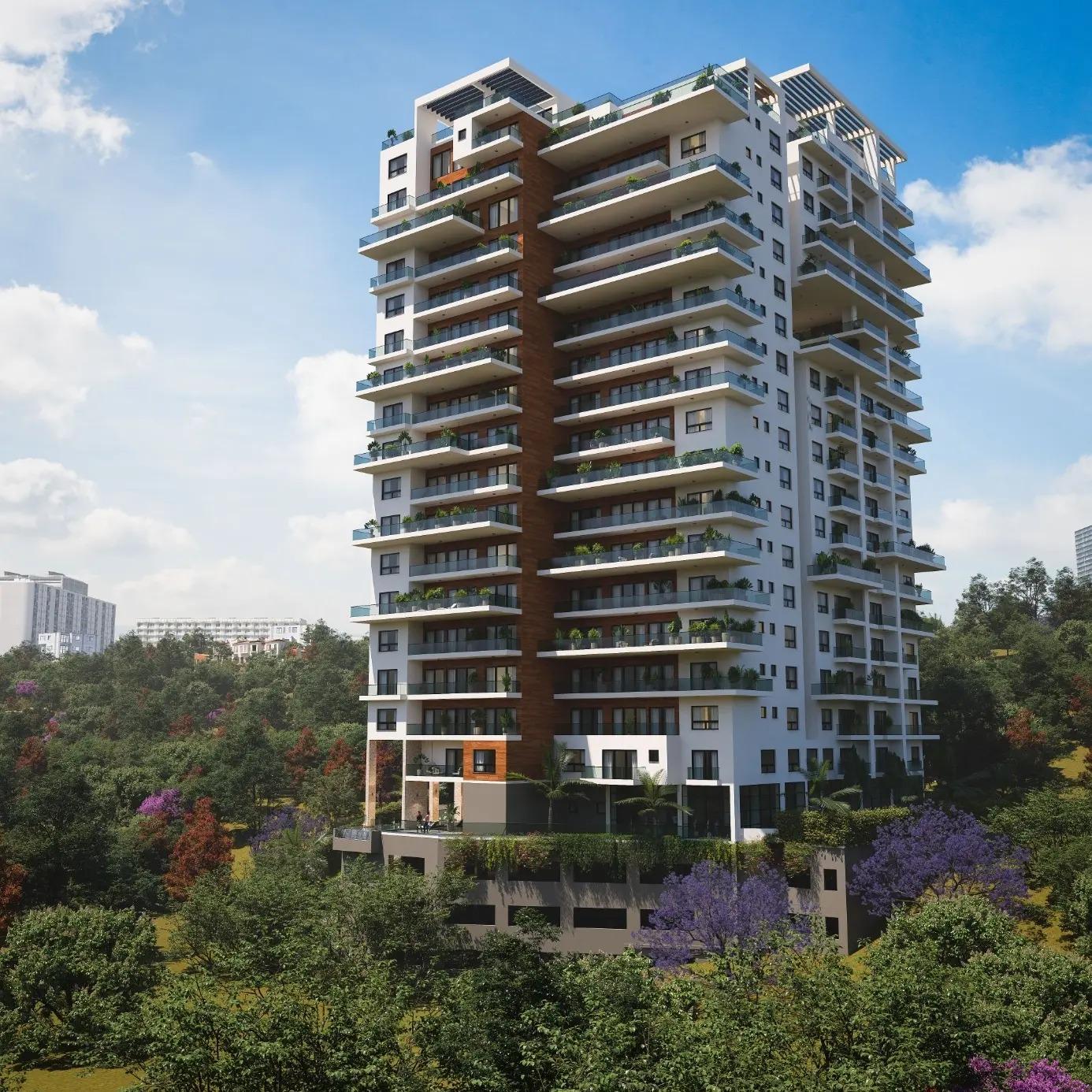
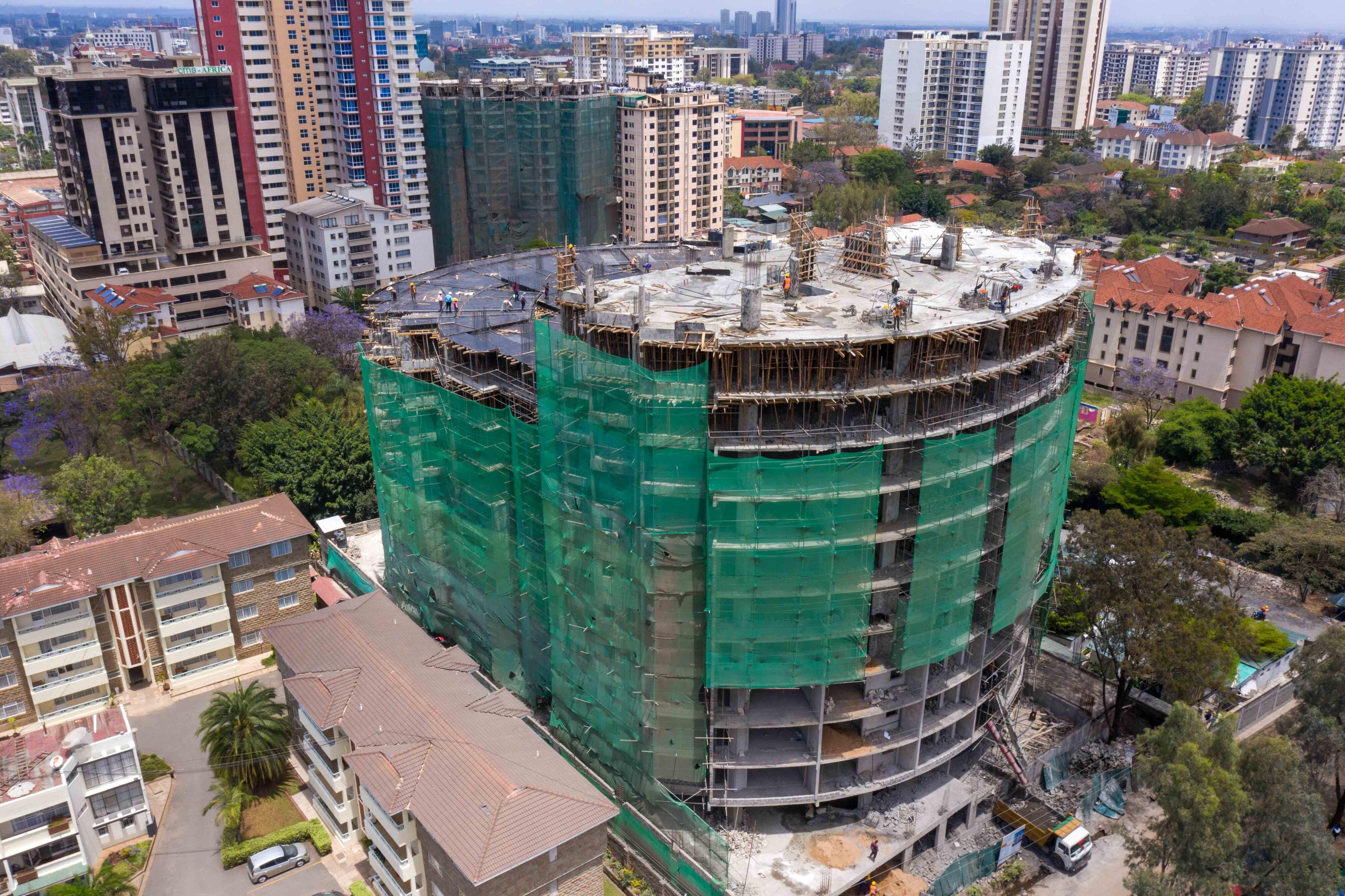
In recent years, off-plan property investment has become increasingly popular in Kenya and across international real estate markets. From luxury apartments in Nairobi’s prime residential neighbourhoods to modern residential developments in emerging investment destinations, buyers are increasingly attracted to purchasing properties before construction is completed.
Off-plan property purchases offer several potential advantages, including flexible payment plans, competitive introductory prices, a wider selection of units and the opportunity to secure a property in a development before completion.
However, these benefits also come with significant risks.
What happens if the developer fails to complete the project? What if the apartment delivered is smaller than the one advertised? Can the developer change the original architectural design? What happens to your deposit if construction stops? Will you receive an individual title deed after completion?
These are important questions that every prospective buyer should ask before signing an off-plan sale agreement.
An attractive showroom, impressive architectural renders and persuasive sales presentations should never replace proper legal and financial due diligence.
This comprehensive guide by Flama Properties explores 25 essential questions to ask before signing an off-plan sale agreement, helping property buyers understand their contractual obligations, protect their investments and make informed real estate decisions.
Whether you are purchasing an apartment in Nairobi, investing in Kenya from abroad or considering an international off-plan property opportunity, this guide will help you understand what to examine before committing your money.
1. What Exactly Am I Buying, and Is the Property Clearly Identified?
One of the first questions to ask before signing an off-plan sale agreement is whether the property you are purchasing has been clearly and accurately identified.
Do not rely exclusively on a brochure, marketing photograph or sales representative’s explanation.
The agreement should provide a precise description of the property, including:
- Project name and physical location.
- Plot or land reference number.
- Apartment or unit number.
- Floor on which the apartment is situated.
- Number of bedrooms and bathrooms.
- Approximate internal floor area.
- Balcony or terrace specifications.
- Parking allocation.
- Storage facilities, where applicable.
- Exclusive-use areas, if any.
For example, if you are purchasing a three-bedroom apartment in Westlands, Nairobi, the agreement should identify the exact apartment, its floor, approximate size, parking arrangements and other features included in the purchase.
This prevents misunderstandings where buyers discover that the unit they expected to receive differs from the property described in their contractual documents.
Important question: Does the sale agreement contain a detailed description of the exact property I am purchasing?
2. Who Is the Actual Developer, and What Is Their Track Record?
The reputation and financial stability of a developer can significantly influence the success of an off-plan property investment.
Before signing an agreement, investigate the company or individual responsible for delivering the project.
Ask the following questions:
- How long has the developer operated in the real estate industry?
- Which residential projects have they completed?
- Have previous developments been delivered within the promised timelines?
- Have previous buyers received their title documents?
- Are there unresolved disputes involving previous projects?
- Does the developer have the financial capacity to complete the development?
- Can I speak to buyers who have previously purchased properties from them?
Do not judge a developer solely by the quality of their marketing materials or the appearance of their sales office.
Visit previously completed developments and assess their construction quality, finishing standards, maintenance and management.
You should also conduct a company search to establish the developer’s legal identity, directors and corporate status.
Important question: Can the developer demonstrate a verifiable history of successfully completing similar projects?
3. Does the Developer Legally Own the Land or Have Authority to Develop It?
This is one of the most important legal questions in an off-plan property transaction.
Before construction begins, the developer must have a legitimate legal interest in the land on which the development is being undertaken.
Ask to see the underlying title document and establish whether the developer is the registered owner or has another legally valid arrangement authorising the development and sale of the proposed units.
Your independent advocate should conduct an official land search to verify:
- Registered landowner.
- Title number.
- Nature of ownership.
- Remaining lease term, where applicable.
- Existing charges or mortgages.
- Cautions and restrictions.
- Pending interests or encumbrances.
- Any relevant ownership disputes.
Where the developer is not the registered proprietor, request the development agreement, joint venture agreement, power of attorney or other documents establishing their authority to sell the proposed units.
In Kenya, buyers should pay particular attention to the Land Registration Act and the Land Act when verifying ownership and interests affecting land.
Important question: Has an independent advocate verified the developer’s ownership or legal authority to develop and sell units on the land?
4. Is the Project Properly Approved by the Relevant Authorities?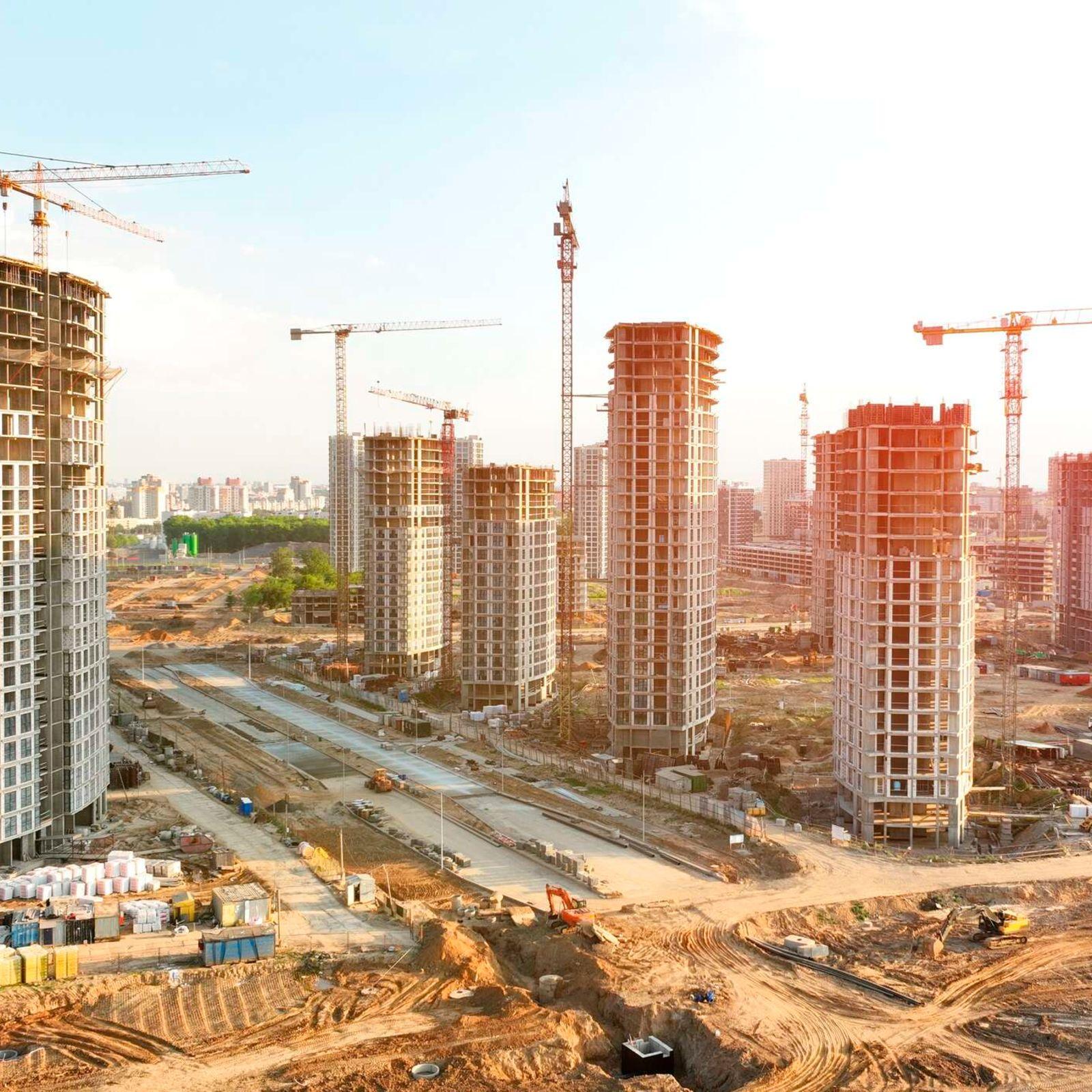
A development may look impressive on paper, but that does not automatically mean it has received all the necessary approvals.
Before signing an off-plan sale agreement, ask whether the proposed development has obtained the relevant government and regulatory approvals.
Depending on the nature and location of the development, these may include:
- County government development permission.
- Approved architectural drawings.
- Approved structural drawings.
- Environmental approval from NEMA, where required.
- National Construction Authority project registration.
- Change-of-use approval, where applicable.
- Water and sewerage approvals, where applicable.
- Other sector-specific approvals.
In Kenya, the National Construction Authority provides project registration requirements and information on the registration of construction projects.
Buyers should request copies of relevant approvals rather than relying on verbal assurances that the documentation is being processed.
A project that does not comply with applicable planning and construction requirements may face enforcement action, delays or restrictions.
Important question: Can the developer provide documentary evidence that the project has obtained the necessary approvals?
5. What Is the Total Purchase Price, and Are There Hidden Charges?
The advertised purchase price is not necessarily the total amount you will spend to acquire an off-plan property.
Some buyers focus entirely on the apartment’s advertised price without considering additional expenses that may arise during the purchase and transfer process.
Before signing, ask the developer for a complete breakdown of the financial obligations.
Clarify whether the purchase price includes:
- Parking spaces.
- Storage units.
- Legal and conveyancing costs.
- Stamp duty, where applicable.
- Registration and title processing costs.
- Utility connection charges.
- Electricity and water meter installation.
- Management or service-charge deposits.
- Infrastructure contributions, where applicable.
- Other administrative charges.
Ask which costs are included in the purchase price and which are payable separately.
For example, an apartment advertised at KSh 12 million may involve additional transaction expenses that increase the total acquisition cost.
Request a written schedule of all expected payments before committing.
Important question: What is the complete financial commitment, including all additional charges, taxes and transaction expenses?
6. What Is the Payment Plan, and Is It Linked to Construction Progress?
Flexible payment plans are among the main attractions of off-plan property investment.
Developers commonly allow buyers to pay a deposit followed by instalments over an agreed construction period.
However, buyers must understand exactly when payments become due.
Ask:
- How much deposit is required?
- What percentage is payable upon signing?
- Are subsequent instalments linked to construction milestones?
- Are payments based on calendar dates?
- What happens if construction is delayed?
- Are there penalties for late payments?
- Can the payment schedule be renegotiated?
Where possible, negotiate a payment structure that is linked to independently verified construction progress.
For example, payments could be associated with agreed milestones such as:
- Initial deposit upon signing.
- Completion of foundation works.
- Completion of structural framework.
- Completion of roofing and external walls.
- Installation of major services.
- Completion of internal finishes.
- Practical completion and handover.
The actual percentages and milestones should be negotiated and clearly documented.
Avoid paying large sums simply because a developer requests them without providing evidence of corresponding progress or appropriate payment protection.
Important question: Are my instalments supported by clearly defined and independently verifiable construction milestones?
7. Will My Money Be Protected Through an Escrow or Stakeholder Account?
This is one of the most critical financial protection questions in off-plan property transactions.
When purchasing a property that has not yet been constructed, buyers are effectively committing funds towards a future development.
What happens if the developer experiences financial difficulties, misuses buyer deposits or fails to complete the project?
Ask whether the purchase funds will be deposited into:
- An independent escrow account.
- A regulated stakeholder account.
- A designated project account with appropriate controls.
- Another independently documented payment arrangement.
Establish who controls the account, the conditions for releasing money and whether payments are linked to certified construction progress.
In Kenya, buyers should understand that an escrow arrangement is not automatically guaranteed by law in every off-plan transaction. It should be specifically negotiated and documented where available.
Do not assume that transferring money into a company account automatically protects your investment.
Important question: What safeguards prevent my purchase funds from being misused or diverted to unrelated projects?
8. What Is the Expected Construction Completion Date?
Every off-plan sale agreement should clearly state the anticipated construction completion date.
A developer may advertise that an apartment will be completed within 24 or 36 months, but the buyer needs to establish whether that timeline is contractually binding.
Ask:
- When is construction expected to commence?
- When is structural construction expected to finish?
- When will the development achieve practical completion?
- When will individual units be ready for occupation?
- When will the title transfer process commence?
- Is there an agreed long-stop completion date?
It is important to distinguish between practical completion, handover, occupation and registration of the individual title.
These events may happen at different times.
A well-drafted agreement should explain each stage and the obligations of both parties.
Important question: Does the agreement provide a clear and enforceable completion timetable?
9. What Happens If the Developer Delays Construction?
Construction delays are among the most common concerns associated with off-plan property purchases.
Projects may experience delays because of financing difficulties, material shortages, regulatory issues, contractor disputes, weather conditions or unforeseen circumstances.
However, buyers should not automatically bear the financial consequences of every delay.
Ask whether the sale agreement provides for:
- A defined grace period.
- Written notification of delays.
- Reasons that qualify as legitimate extensions.
- A maximum extension period.
- Compensation for qualifying delays.
- A right to terminate after prolonged non-completion.
- Refund procedures following termination.
For example, if a developer promises to complete an apartment in December 2028 but construction remains unfinished well into 2029, what contractual rights does the buyer have?
A vague clause allowing unlimited extensions can expose buyers to considerable uncertainty.
Important question: What contractual remedies are available if the developer fails to complete the property within the agreed period?
10. Can the Developer Change the Original Architectural Design?
Architectural drawings and project renders are important when purchasing an off-plan property.
However, the final development may sometimes differ from the original design because of technical requirements, regulatory instructions or construction considerations.
Ask whether the developer has the right to modify:
- Apartment layouts.
- Room dimensions.
- Balcony sizes.
- Window positions.
- Building height.
- Number of floors.
- Parking allocation.
- Common facilities.
- External architectural finishes.
- Landscaping and recreational areas.
More importantly, establish which changes are permitted and which require the buyer’s written consent.
The agreement should distinguish between minor technical adjustments and material changes that affect the value, size, functionality or character of the purchased unit.
Material changes should not be left entirely to the developer’s discretion.
Important question: Can the developer materially alter the property I am purchasing without my written approval or an appropriate remedy?
11. What Construction Materials and Finishing Standards Will Be Used?
Two apartments may have similar architectural designs but significantly different construction quality.
Buyers should therefore request a detailed construction specification and finishes schedule.
This document should describe the materials, fixtures and fittings expected to be installed.
Consider asking about:
- Flooring materials.
- Kitchen cabinets and worktops.
- Bathroom fittings.
- Shower systems.
- Doors and windows.
- Electrical fittings.
- Plumbing installations.
- Ceiling finishes.
- Paint specifications.
- Wardrobes.
- Kitchen appliances, if included.
- Lift specifications.
- External wall finishes.
Where possible, request product brands, model references or minimum performance standards.
Avoid accepting vague descriptions such as “premium finishing”, “modern fittings” or “luxury materials” without supporting specifications.
Important question: Is there a signed and detailed schedule identifying the materials, fittings and finishes to be delivered?
12. What Is the Actual Size of the Apartment?
Apartment size is an important determinant of property value.
Before purchasing, establish the exact or approximate floor area of the unit and how that area has been calculated.
Ask whether the quoted size includes:
- Internal usable space.
- Balconies.
- Terraces.
- External storage.
- Shared areas.
- Other allocated spaces.
For instance, an apartment marketed as 120 square metres may have a different usable internal area depending on the measurement method.
Request approved architectural drawings and ensure that the sale agreement describes the relevant measurement basis.
The Sectional Properties Act provides for sectional plans identifying units and their approximate floor areas.
Important question: What is the apartment’s internal area, and how does it compare with the advertised size?
13. Will I Receive an Individual Title Deed After Completion?
This is particularly important when purchasing apartments in Kenya.
Buyers should understand the legal ownership structure under which their apartments will be transferred.
Under the Sectional Properties Act, 2020, a registered sectional plan allows separate registers to be opened for individual units and provides for the issuance of individual certificates of title or lease, as applicable.
Ask:
- Will I receive a sectional title?
- Is the development structured under the Sectional Properties Act?
- Has a proposed sectional plan been prepared?
- Who is responsible for registering the sectional plan?
- When is the individual title expected to be processed?
- Who pays the title registration expenses?
- What happens if registration is delayed?
- Will I receive a proportionate share of the common property?
Do not assume that receiving an apartment key automatically means you have received legal ownership of the unit.
Your advocate should examine the proposed title structure and confirm how the transfer will be completed.
Important question: What specific ownership document will I receive, and when will it be legally registered in my name?
14. Is the Land Freehold or Leasehold?
Land tenure affects the nature and duration of ownership.
In Kenya, property may be held under freehold or leasehold tenure.
Before purchasing an apartment, ask:
- Is the underlying land freehold or leasehold?
- If leasehold, how many years remain?
- Are there annual land rent obligations?
- Are there restrictions affecting transfer?
- Are there renewal provisions?
- Will the apartment ownership be transferred through a sectional title or another lawful arrangement?
Under the Sectional Properties Act, 2020, its application to leasehold property is subject to the statutory requirements, including the minimum unexpired lease term specified by the Act.
Understanding the tenure helps buyers evaluate the property’s long-term ownership and resale implications.
Important question: What is the land tenure, and how does it affect the duration and transferability of my ownership?
15. Is the Land Mortgaged or Charged to a Financial Institution?
Some developers finance construction through bank loans or other secured financing arrangements.
This is not automatically a problem, but it is important to understand how the financing affects the property being purchased.
If the underlying land is charged, ask:
- Which financial institution holds the charge?
- Has the lender consented to the development and sale of individual units?
- Is there a unit-release arrangement?
- Will the lender issue a partial discharge or other appropriate release documentation?
- How will the buyer’s payments be applied?
- What happens if the developer defaults on the loan?
Obtain written confirmation of the arrangements from the relevant financier where necessary.
An independent advocate should verify that the buyer’s interests will not be exposed to undisclosed financing obligations.
Important question: If the land is charged, what legal arrangements protect my apartment from the developer’s outstanding financing obligations?
16. What Happens If the Developer Becomes Insolvent or Abandons the Project?
This is one of the biggest risks associated with buying property before construction is complete.
Imagine paying 70% of an apartment’s purchase price, only for construction to stop because the developer experiences financial difficulties.
What happens next?
Ask whether the agreement provides for:
- Refund of money paid.
- Interest on refundable amounts, where agreed.
- Security for buyer payments.
- Termination rights.
- Independent stakeholder arrangements.
- Replacement contractors.
- Assignment of the development to another capable developer.
- A procedure for dealing with insolvency.
Understand that a contractual promise to refund money is not necessarily equivalent to having secured funds available for repayment.
The financial protection arrangements should therefore be assessed before signing.
Important question: What practical and legally enforceable protection do I have if the developer cannot finish the project?
17. What Happens If I Fail to Make an Instalment Payment?
Buyers must also understand their own obligations under the agreement.
Missing a scheduled payment may result in interest charges, penalties, suspension of contractual rights or even termination.
Ask:
- What is the grace period for late payments?
- What interest rate applies?
- Are there administrative penalties?
- Must the developer issue a formal notice?
- How long do I have to remedy a payment default?
- Can the developer terminate the agreement?
- How much of the deposit can be retained?
- Will any balance be refunded?
Pay particular attention to forfeiture clauses.
Some agreements may contain provisions that allow developers to retain substantial amounts if buyers default.
Your advocate should examine whether the remedies are reasonable, clearly expressed and legally enforceable.
Important question: What happens to the money I have already paid if I can no longer meet the instalment schedule?
18. Can I Sell or Transfer My Off-Plan Purchase Before Completion?
Circumstances can change after signing a sale agreement.
A buyer may receive a job transfer, experience financial difficulties or identify another investment opportunity.
Ask whether the developer permits assignment or resale of the contractual interest before completion.
Clarify:
- Is assignment permitted?
- Does the developer need to approve the new buyer?
- Is there an assignment fee?
- Must all outstanding payments be cleared?
- Can the new purchaser take over the instalment plan?
- Are there restrictions on marketing the property?
- What documents are required to transfer contractual rights?
An agreement that prohibits assignment entirely may limit your flexibility.
Important question: Can I transfer or sell my contractual interest before the apartment is completed, and under what conditions?
19. What Facilities and Amenities Are Included in the Purchase?
Modern residential developments are increasingly marketed with lifestyle amenities.
These may include swimming pools, gyms, children’s play areas, rooftop lounges, gardens and entertainment spaces.
However, buyers should establish which facilities are actually included in the development.
Ask whether the project includes:
- Swimming pool.
- Fully equipped gym.
- Sauna and steam rooms.
- Children’s play area.
- Rooftop entertainment space.
- Landscaped gardens.
- Residents’ lounge.
- Backup generator.
- Borehole.
- Water storage facilities.
- High-speed lifts.
- Secure parking.
- CCTV surveillance.
- Reception and concierge services.
Establish whether these facilities are part of the common property, exclusive-use areas or separately managed facilities.
Also ask whether additional charges apply for their use.
Important question: Which advertised amenities are contractually guaranteed, and which are optional or subject to separate charges?
20. What Will the Monthly Service Charge Be?
Service charges are recurring costs that apartment owners contribute towards the maintenance and management of shared facilities.
Before purchasing, request an estimated service-charge budget.
Ask what the monthly payment covers:
- Security personnel.
- Cleaning services.
- Lift maintenance.
- Swimming pool maintenance.
- Landscaping.
- Generator servicing.
- Common-area electricity.
- Water systems.
- Waste collection.
- Property management.
- Building insurance, where applicable.
Also ask whether the service charge can increase and how increases are approved.
A relatively inexpensive apartment with exceptionally high recurring expenses may become less attractive over time.
Important question: What is the estimated monthly service charge, what does it cover and how can it change?
21. Who Will Manage the Apartment Development After Completion?
Professional property management contributes significantly to the long-term quality of residential developments.
Poor management can result in neglected facilities, disputes between owners, inadequate maintenance and declining property values.
Ask:
- Who will manage the building?
- Is there a professional management company?
- Will the owners form a corporation under the Sectional Properties Act?
- Who controls the management during the initial period?
- How are management decisions made?
- Who maintains common facilities?
- How are service-charge accounts audited?
- How can owners challenge poor management?
Review the proposed by-laws and management agreement before signing.
These documents can affect how you use, maintain, and manage your apartment after taking ownership.
Important question: Who will be responsible for managing the development, and what rights will apartment owners have?
22. What Is the Defects Liability Period After Handover?
An apartment may appear complete during inspection but develop defects after occupation.
Common issues include:
- Water leakage.
- Plumbing problems.
- Electrical faults.
- Poor drainage.
- Cracked walls.
- Faulty doors and windows.
- Defective flooring.
- Roof leakage.
- Poor waterproofing.
- Lift malfunctions.
Ask the developer whether the agreement provides a defects liability period.
Clarify:
- How long does the period last?
- Which defects are covered?
- How are defects reported?
- How quickly must the developer respond?
- Who pays for repairs?
- Are structural defects covered under separate warranties?
- What happens if the developer refuses to rectify a defect?
The agreement should clearly establish the developer’s obligations after handover.
Important question: What warranty and defect-correction obligations will the developer provide after I receive the property?
23. Will I Be Allowed to Inspect the Apartment Before Final Handover?
Buyers should have an opportunity to inspect their apartments before accepting final handover.
This inspection is commonly referred to as snagging.
Ask whether you can appoint an independent building inspector, architect or qualified professional to examine the apartment.
The inspection should cover:
- Floor finishes.
- Wall finishes.
- Ceiling installations.
- Doors and windows.
- Plumbing systems.
- Electrical installations.
- Kitchen fittings.
- Bathroom fittings.
- Water pressure.
- Drainage.
- Balcony finishes.
- General workmanship.
Request that all identified defects be documented in a snagging report.
The agreement should explain how the developer will rectify defects and whether final acceptance or payment is conditional on agreed completion requirements.
Important question: Can I conduct an independent inspection and require outstanding defects to be corrected before accepting handover?
24. Can I Use the Apartment for Short-Term Rentals or Furnished Accommodation?
Some investors purchase apartments primarily for rental income.
If you intend to operate furnished apartments, serviced accommodation or short-term rentals, establish whether the development permits such use.
Ask whether there are restrictions under:
- The sale agreement.
- Building by-laws.
- Management agreements.
- County planning permissions.
- Applicable licensing and regulatory requirements.
Some residential developments restrict short-term accommodation or impose additional management conditions.
If rental income is central to your investment decision, verify the rules before signing.
Do not assume that every apartment can legally or contractually be operated as an Airbnb or serviced apartment.
Important question: Does the development permit my intended rental strategy, and what restrictions or additional requirements apply?
25. What Documents Will I Receive Upon Completion?
The final question should establish exactly what documents the developer is required to provide after the project is completed.
Depending on the legal structure and nature of the transaction, these may include:
- Registered sectional title or certificate of lease, as applicable.
- Executed transfer documents.
- Relevant completion certificates and approvals.
- Approved sectional plan.
- Evidence of registration.
- Management and ownership documentation.
- Utility account information.
- Keys and access cards.
- Building warranties and relevant manuals.
- Evidence of discharge or release of applicable charges.
- Relevant payment receipts and completion statements.
The agreement should identify which documents will be delivered, who is responsible for obtaining them and the expected timeframe.
Remember that physical possession and legal registration of ownership are separate matters.
Important question: What documents will prove that I have legally acquired the apartment, and when will I receive them?
26. Bonus: Additional Legal Clauses You Should Never Ignore
Beyond the 25 questions, there are several contractual provisions that deserve particular attention.
A. Force Majeure Clause
This clause addresses events beyond the parties’ reasonable control that may affect contractual performance.
Ask which events qualify, what notice must be given, how long extensions may last and whether prolonged disruption gives either party a right to terminate.
The agreement should not allow ordinary financing difficulties or poor project management to be automatically treated as force majeure.
B. Termination Clause
Understand the circumstances under which either party can terminate the agreement.
The clause should address:
- Developer default.
- Buyer default.
- Failure to obtain required approvals.
- Prolonged construction delays.
- Material misrepresentation.
- Abandonment of the project.
- Refund obligations.
- Applicable interest and deductions.
C. Dispute Resolution Clause
Find out how disagreements will be resolved.
The agreement may provide for negotiation, mediation, arbitration or court proceedings.
Confirm the applicable jurisdiction, governing law, dispute procedure and allocation of legal costs.
D. Indemnity and Liability Clauses
Understand which party bears responsibility for losses arising from contractual breaches, negligence, construction defects or third-party claims.
Avoid accepting broad provisions that attempt to exclude all developer responsibility regardless of circumstances.
E. Representations and Warranties
The developer should provide appropriate written assurances regarding ownership, authority to sell, approvals, disclosed encumbrances, construction specifications and compliance with applicable laws.
These assurances should be included in the contractual documentation rather than existing only in promotional materials.
27. Essential Documents to Request Before Signing an Off-Plan Sale Agreement in Kenya
A responsible buyer should establish a complete due diligence file before committing substantial funds.
The following checklist identifies important documents to request and review.
| Document | Why It Matters |
|---|---|
| Copy of mother title | Establishes the underlying land ownership |
| Official land search | Identifies registered ownership and interests |
| Developer company documents | Verifies the legal entity |
| CR12 or equivalent company records | Helps establish directors and shareholding |
| Board resolution or authority | Confirms authority to enter the transaction |
| Development agreement, if applicable | Establishes the developer’s rights where it is not the landowner |
| County development approvals | Establishes planning permission |
| Approved architectural drawings | Confirms the approved building design |
| Approved structural drawings | Provides evidence of approved structural design |
| NEMA approval, where required | Addresses environmental compliance |
| NCA project registration evidence | Helps verify construction project registration |
| Proposed sectional plan | Identifies the intended individual units |
| Draft sale agreement | Establishes the parties’ contractual obligations |
| Proposed by-laws | Explains rules governing the development |
| Management agreement | Explains building management arrangements |
| Charge or mortgage details | Identifies financing interests affecting the land |
| Construction specifications | Defines materials and finishing standards |
| Payment schedule | Establishes financial obligations |
| Construction programme | Provides the expected development timeline |
Under Section 43 of Kenya’s Sectional Properties Act, 2020, a developer selling a unit or proposed unit must deliver specified documents to the purchaser, including the purchase agreement, by-laws or proposed by-laws, relevant management and recreational agreements, the land title, information concerning charges, and the sectional plan or proposed sectional plan.
Buyers should have their independent advocates confirm the documents required for their particular transaction.
28. Red Flags to Watch Out for When Buying Off-Plan Property
An attractive investment opportunity can sometimes conceal risks that are not immediately obvious.
Before signing an off-plan sale agreement, watch out for the following warning signs.
1. The developer refuses to disclose land ownership documents.
A legitimate property transaction should allow proper verification of the land on which the development is being undertaken.
2. Pressure to pay immediately.
Be cautious when sales representatives insist that you must pay immediately to secure a unit without giving you sufficient time to conduct legal due diligence.
3. No independently verifiable approvals.
A brochure or architectural rendering is not evidence that the relevant authorities have approved the development.
4. Unrealistic completion promises.
Extremely short construction timelines without credible supporting evidence should raise questions.
5. No clear payment protection arrangements.
Find out where your money will be deposited and how payments will be accounted for.
6. Unclear title ownership arrangements.
Do not sign without understanding how the apartment will eventually be transferred into your name.
7. Vague construction specifications.
Descriptions such as luxury finishing and premium fittings should be supported by detailed written specifications.
8. One-sided sale agreements.
Be careful where the developer has extensive rights to change the project, extend deadlines or terminate the agreement while the buyer has very limited remedies.
9. Unexplained additional charges.
Every expected payment should be disclosed and properly explained.
10. No evidence of completed projects.
A developer with no verifiable track record requires particularly careful financial and legal investigation.
29. Is Buying Off-Plan Property in Kenya a Good Investment?
Buying off-plan property can be an attractive investment strategy when the project, developer, land ownership, pricing, and contractual arrangements are properly evaluated.
Kenya’s residential property market offers opportunities in established and emerging locations, particularly in Nairobi and other major urban centres.
Popular residential investment locations include:
- Westlands.
- Riverside.
- Kilimani.
- Kileleshwa.
- Lavington.
- Parklands.
- Runda.
- Karen.
- Syokimau.
- Ruaka.
- Thika Road.
These locations offer different property types and investment characteristics.
For example, off-plan apartments in Westlands may appeal to buyers targeting professionals and corporate tenants, while residential developments in Kileleshwa and Kilimani may attract families and long-term rental occupants.
However, a property’s location alone does not guarantee investment success.
Before purchasing, evaluate the following:
Potential Capital Appreciation
Compare the purchase price with the prices of similar completed properties in the surrounding area.
Consider whether the proposed purchase price provides a reasonable margin for potential appreciation after construction.
Rental Income Potential
Research actual rental transactions and comparable properties.
Calculate the potential gross and net rental yields rather than relying entirely on developer projections.
Developer Reliability
Investigate completed developments, construction standards, financial capacity, and delivery history.
Infrastructure and Accessibility
Consider road networks, public transport, water availability, drainage, educational facilities, healthcare and proximity to employment centres.
Exit Strategy
Determine whether you can resell the property, transfer your contractual rights, or hold the apartment for long-term rental income.
An investment should have a clear financial objective rather than being based entirely on promotional promises.
30. Should You Hire an Independent Lawyer Before Signing an Off-Plan Agreement?
Absolutely. Independent legal representation is one of the most important safeguards when purchasing property off-plan.
The developer’s advocate primarily represents the developer’s interests. Although the advocate may prepare the sale agreement, buyers should not assume that the document has been drafted to protect their individual interests.
Your own conveyancing advocate should:
- Conduct an independent land search.
- Verify the developer’s ownership or legal authority.
- Review the company’s legal status.
- Examine relevant project approvals.
- Review the proposed sectional ownership structure.
- Examine the developer’s financing arrangements.
- Review the sale agreement.
- Negotiate fair payment and completion terms.
- Review refund and termination provisions.
- Confirm the documents required for transfer and registration.
The advocate should also identify any contractual provisions that may expose you to unreasonable financial or legal risks.
Do not sign an agreement simply because other buyers have already signed or because a salesperson claims the terms are standard.
A property purchase agreement is a legally significant document. It deserves independent professional review.
31. Final Off-Plan Property Buyer’s Checklist Before Signing
Before committing your money, use the following checklist to establish whether you have addressed the most important areas of the transaction.
-
I have verified the developer’s identity and track record.
-
I have confirmed ownership or legal authority over the land.
-
An independent advocate has conducted an official land search.
-
I have reviewed the relevant development approvals.
-
I understand the project’s financing arrangements.
-
I have obtained the proposed sectional plan or relevant ownership documents.
-
I have confirmed the exact apartment size and location.
-
I have reviewed the architectural drawings.
-
I have received a detailed construction and finishing schedule.
-
I understand the total purchase price.
-
All additional costs have been disclosed.
-
I understand the payment schedule.
-
I have reviewed the payment protection arrangements.
-
The completion date is clearly stated.
-
Delay and termination provisions are reasonable.
-
I understand what happens if the developer becomes insolvent.
-
I have reviewed the service charges and management arrangements.
-
I understand the defects liability provisions.
-
I have confirmed my inspection and snagging rights.
-
I understand the transfer and title registration process.
-
My independent advocate has reviewed and approved the contractual terms.
If any critical issue remains unresolved, consider postponing the signing until satisfactory clarification and documentation are provided.
Frequently Asked Questions About Off-Plan Property Purchases
1. What is an off-plan sale agreement?
An off-plan sale agreement is a legally binding contract through which a buyer agrees to purchase a property or proposed property that has not yet been completed or constructed. It sets out the purchase price, payment schedule, completion obligations, ownership arrangements, and rights of the parties.
2. Is buying off-plan property safe in Kenya?
It can be safe when proper due diligence is undertaken. Buyers should verify the developer, land ownership, project approvals, financing arrangements, and contractual protections before paying substantial amounts.
3. What is the biggest risk of buying off-plan property?
Some of the major risks include construction delays, project abandonment, developer insolvency, poor workmanship, changes to the original design, financing complications, and delays in obtaining individual title documents.
4. Should I pay a deposit before signing the sale agreement?
Do not pay substantial amounts before understanding the legal and contractual arrangements. If a reservation payment is required, obtain written terms explaining whether it is refundable, how long the reservation lasts, and how the payment will be credited towards the purchase price.
5. Can a developer change the design after I have signed?
The developer’s ability to change the design depends on the contractual provisions and applicable planning requirements. Buyers should negotiate clear restrictions on material changes and appropriate remedies if the delivered property differs significantly from what was agreed.
6. What happens if an off-plan developer fails to complete construction?
The buyer’s rights will depend on the sale agreement, the circumstances of the failure, and applicable law. Possible remedies may include termination, refunds, damages, or other legal action. Recovery can be difficult if the developer has become insolvent and has insufficient assets.
7. Can I get a title deed for an off-plan apartment in Kenya?
Yes, subject to the applicable ownership structure and completion of the necessary legal and registration processes. Under the Sectional Properties Act, 2020, individual sectional titles or certificates of lease may be issued following registration of the sectional plan and satisfaction of the relevant requirements.
8. Is a developer required to use an escrow account?
Do not assume that every off-plan development in Kenya is legally required to use an escrow account. Buyers can negotiate escrow or stakeholder arrangements as a contractual safeguard and should establish how funds will be held and released.
9. What is a defects liability period?
It is a contractual period during which the developer is responsible for addressing specified defects identified after practical completion or handover, subject to the agreement’s terms.
10. Can I cancel an off-plan sale agreement?
Cancellation depends on the termination provisions, the parties’ obligations and applicable law. Buyers should understand the consequences of termination, including any deductions, penalties and refund arrangements, before signing.
11. What documents should I request before purchasing off-plan property?
Important documents include the underlying title, official land search, company records, project approvals, architectural drawings, proposed sectional plan, construction specifications, draft sale agreement, management documents and details of charges affecting the land.
12. Is off-plan property cheaper than completed property?
Off-plan units may be offered at introductory prices or with flexible payment arrangements. However, this is not guaranteed. Buyers should compare the purchase price with similar completed properties and consider the risks and additional costs involved.
13. Can Kenyans in the diaspora buy off-plan property in Kenya?
Yes. Kenyans living abroad can purchase eligible property in Kenya, subject to applicable legal requirements. They should appoint an independent Kenyan advocate, verify the developer and land documents, establish secure payment arrangements and avoid relying exclusively on online presentations.
14. What is the difference between practical completion and legal ownership?
Practical completion generally refers to the stage when construction has reached the contractual standard for handover, subject to agreed outstanding items. Legal ownership requires the appropriate transfer and registration process. Receiving keys does not automatically mean an individual title has been registered in the buyer’s name.
15. Who should prepare the off-plan sale agreement?
The agreement may be prepared by the developer’s advocate, but the buyer should appoint an independent conveyancing advocate to review and negotiate the terms before signing.
Conclusion: Never Sign an Off-Plan Sale Agreement Without Asking the Right Questions
Buying off-plan property can provide an excellent opportunity to acquire a modern home or build a real estate investment portfolio. Flexible payment arrangements, early access to new developments, and potential capital appreciation make this property ownership model attractive to many buyers.
However, the excitement of purchasing a new apartment should never overshadow the importance of due diligence.
A beautiful architectural rendering does not guarantee a completed building. An attractive payment plan does not automatically protect your money. A developer’s promise does not replace a legally enforceable agreement.
Before signing, ensure that you understand the developer’s legal authority, land ownership, project approvals, construction specifications, payment arrangements, completion timelines, title registration process, and remedies in case something goes wrong.
Most importantly, engage an independent property lawyer to examine the sale agreement and negotiate appropriate protections.
The golden rule of off-plan property investment is simple: Verify before you pay, understand before you sign, and document every important promise.
Whether you are buying a luxury apartment in Nairobi, acquiring a family home, or investing in property from abroad, proper preparation can mean the difference between a successful purchase and a costly mistake.
Looking for property opportunities in Kenya? Flama Properties helps prospective buyers explore residential properties, apartments, houses, and land in some of Kenya’s sought-after real estate locations. Visit here to explore available listings and make informed property-buying decisions.