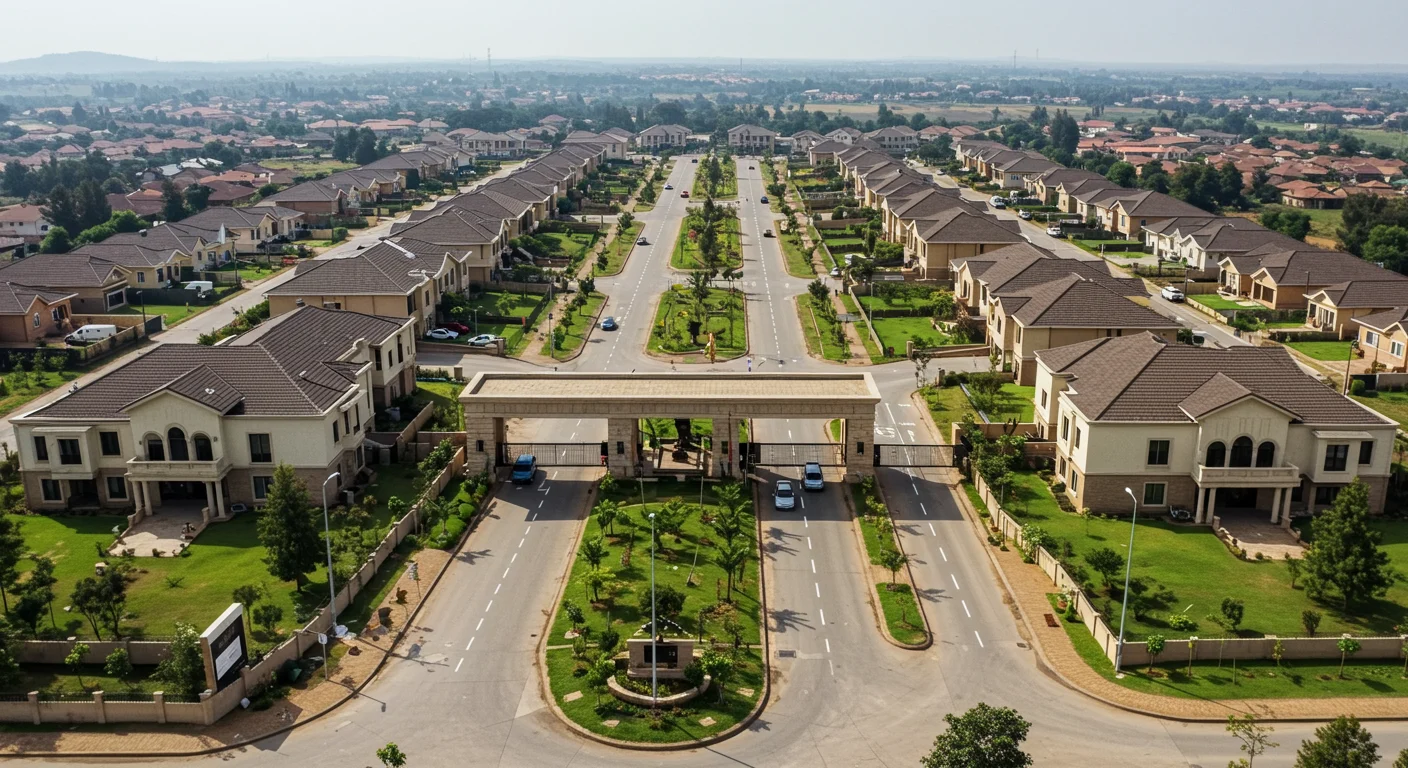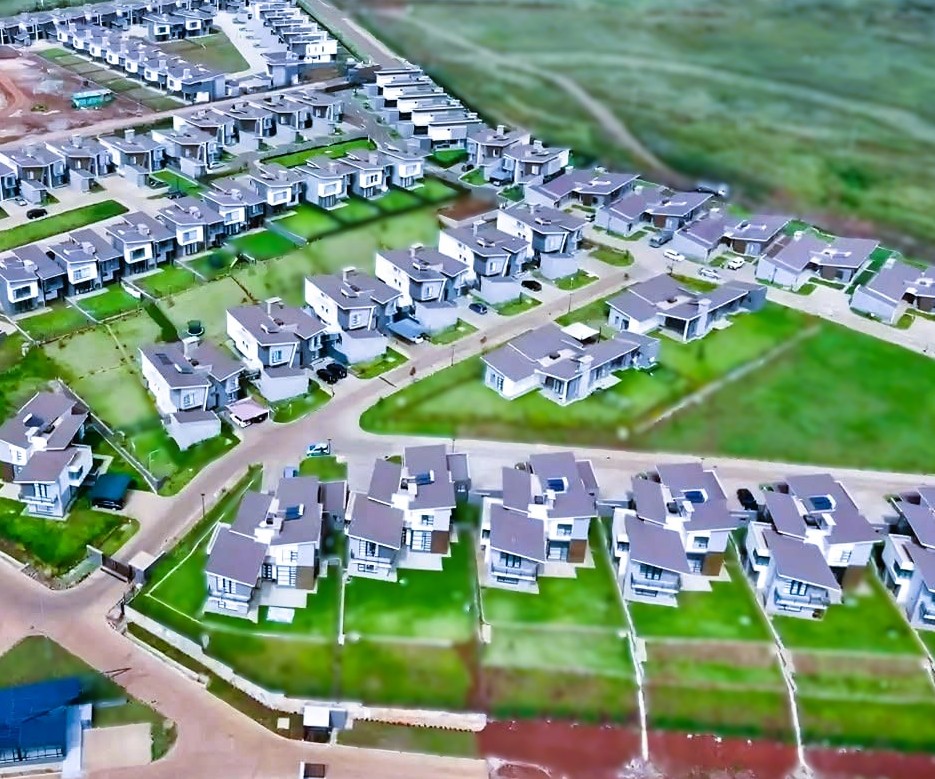

Are you living abroad, i.e., the UK, USA, Canada, or Australia, and thinking about buying property in Kenya? You don’t have to wait until your next trip home.
Kenya’s real estate market offers opportunities ranging from apartments and houses to luxury villas, commercial property, development land and investment properties. For Kenyans in the diaspora and international investors, the biggest challenge is often not finding a property—it is finding a trustworthy local partner who can help you identify, inspect, negotiate and complete the transaction safely. At the same time, you are thousands of kilometres away.
This is where Flama Properties can make the process easier.
Explore Flama Properties Kenya
Flama Properties says it works with buyers and sellers across Kenya and provides assistance with property searches, viewings, negotiations and paperwork.
Why Buy Property in Kenya From Abroad?
For investors in London, Birmingham, Manchester, Sydney, Melbourne, Toronto, Vancouver, New York, Washington, Atlanta, Houston and other cities abroad, Kenya can offer a way to diversify investments while maintaining a connection to the Kenyan market.
Property can potentially serve several purposes:
- A family home for future relocation
- A rental-income investment
- A retirement property
- Commercial investment
- Land banking
- Development opportunities
- Holiday or short-stay accommodation
- A long-term wealth-building asset
The important point is to approach the purchase as an investment decision rather than simply buying because a property looks attractive online.
Can You Buy Property in Kenya Without Being in Kenya?
Yes, in many cases, the process can be coordinated remotely.
However, remote buying does not mean skipping due diligence.
A successful remote property purchase should involve:
- Identifying the right property.
- Verifying the seller and property documents.
- Conducting an official land search where applicable.
- Physically inspecting the property.
- Carrying out legal due diligence.
- Confirming valuation and market pricing.
- Negotiating the purchase price.
- Signing the appropriate agreements.
- Making payments through secure and traceable channels.
- Completing the transfer and registration process.
Kenya’s State Department for Lands describes an official search certificate as a key due-diligence document used to verify ownership and identify encumbrances such as charges, cautions and restrictions.
Kenya has also been digitizing land services through Ardhisasa, an online platform that facilitates access to government land information and processes.
Step 1: Decide What You Want to Buy
Before contacting a property agent, establish your investment objectives.
Ask yourself:
Are you looking for land?
You may be interested in:
- Residential plots
- Agricultural land
- Commercial land
- Development land
- Land for apartments
- Land for townhouses
- Industrial land
- Land for a future retirement home
Are you looking for a home?
Consider:
- Apartments
- Maisonettes
- Townhouses
- Villas
- Standalone houses
- Gated communities
- Luxury homes
Are you looking for investment property?
Consider:
- Rental apartments
- Commercial buildings
- Office space
- Retail property
- Warehouses
- Hospitality properties
- Student accommodation
- Development projects
Flama Properties currently advertises multiple categories, including residential, apartments, agricultural, commercial, and business properties.
Step 2: Work With a Kenyan Property Professional
One of the biggest mistakes a remote investor can make is attempting to buy property entirely through an unknown individual on social media.
Instead, work with a property professional who can help you understand the local market.
Flama Properties states that it assists buyers with locating properties, arranging viewings, negotiating offers and handling paperwork associated with transactions.
This becomes particularly useful when you are living abroad.
Instead of travelling to Kenya every time you want to inspect a property, you can have your local representative coordinate the initial process.
The objective is simple:
You make the investment decision from abroad while your local team handles the physical aspects of the property search and transaction in Kenya.
Step 3: Search for Property Online
The internet has significantly changed how people buy Kenyan real estate.
Instead of starting with newspaper advertisements or relying entirely on personal contacts, diaspora investors can research properties online.
View current Flama Properties listings
Look for listings containing:
- Property location
- Land size
- Asking price
- Number of bedrooms
- Proper.ty type
- Amenities
- Development status
- Payment terms
- Photos
- Videos
- Contact information
For example, Flama’s current listings include properties in areas such as Lavington, Runda, Karen, Westlands, Kileleshwa, Ruiru, Syokimau, Naivasha and other Kenyan locations.
Step 4: Request a Virtual Property Viewing
This is one of the most important parts of buying property remotely.
Do not rely solely on photographs.
Request:
- Live video viewing
- Video walkthrough
- Exterior footage
- Interior footage
- Access-road footage
- Neighbourhood footage
- Boundary inspection for land
- Nearby developments
- Utilities
- Road access
- Surrounding properties
For land, request a video showing the actual boundaries and surrounding area, rather than relying on a photograph of the title deed.
For apartments, request a walkthrough of the actual unit or a clearly identified sample unit.
For off-plan property, request:
- Approved plans
- Developer information
- Construction status
- Expected completion date
- Payment schedule
- Sale agreement
- Development approvals
Step 5: Verify the Property Documents
This is where remote investors need to be particularly careful.
Never send a large amount of money simply because someone has sent you a title deed photograph on WhatsApp.
A proper transaction requires independent verification.
Depending on the property, due diligence may include checking:
- Title information
- Registered owner
- Existing charges
- Cautions
- Restrictions
- Encumbrances
- Rates
- Rent, where applicable
- Survey information
- Planning status
- Development approvals
- Seller identification
- Company ownership where applicable
- Existing tenancy arrangements
- Outstanding liabilities
The Kenyan government states that an official land search helps establish ownership and identify encumbrances.
Your independent property lawyer should be involved before committing substantial funds.
Step 6: Hire an Independent Kenyan Property Lawyer
For a buyer living abroad, a lawyer is particularly important.
Your lawyer should independently review the transaction rather than simply relying on information supplied by the seller.
The lawyer can help with:
- Title verification
- Contract review
- Sale agreement
- Searches
- Due diligence
- Transfer documentation
- Stamp duty processes
- Registration
- Completion documentation
- Power of Attorney where appropriate
Why is this important?
Because the property agent represents the transaction process, while your lawyer should protect your legal interests as the buyer.
For a significant investment, having independent legal representation is one of the most important safeguards available to a remote buyer.
Step 7: Understand the Rules for Foreign Investors
This is particularly important for investors who are not Kenyan citizens.
Kenya’s Constitution provides that a person who is not a Kenyan citizen may hold land on leasehold tenure only, with the lease not exceeding 99 years. It also contains rules concerning companies and trusts for purposes of determining citizenship.
Therefore, a non-Kenyan citizen should obtain professional legal advice before purchasing land or entering into a property transaction in Kenya.
This distinction is important because:
Kenyan diaspora investors and foreign nationals are not necessarily subject to identical ownership considerations.
Your lawyer should establish your legal status and confirm that the proposed property structure is appropriate before you proceed.
Step 8: Be Extra Careful With Agricultural & Special Land
Not every piece of land in Kenya should be treated the same way.
Additional legal considerations may apply depending on:
- Location
- Land classification
- Agricultural status
- Coastal location
- Border areas
- Controlled land
- Development zoning
- Planning regulations
Kenya’s Land Act contains provisions concerning controlled land and restrictions affecting certain categories of land and transactions.
Never assume that because a property is advertised for sale, you are automatically eligible to acquire it under the intended ownership structure.
Step 9: Negotiate the Price From Abroad
You don’t necessarily need to fly to Kenya to negotiate.
A professional local property representative can communicate your offer to the seller and help establish whether there is room for negotiation.
Before making an offer, compare:
Asking Price vs. Market Value vs. Comparable Properties
For example:
If a property is advertised at:
KES 30 million
you should not automatically assume KES 30 million is its true market value.
Consider:
- Location
- Road access
- Land size
- Building condition
- Age
- Rental income
- Development potential
- Nearby infrastructure
- Comparable sales
- Zoning
- Demand
This is particularly important for diaspora investors because being abroad can make it harder to judge whether a quoted price is realistic.
Step 10: Conduct a Physical Inspection
Remote buying should not mean remote verification.
If you cannot travel to Kenya, arrange for a trusted representative to inspect the property.
This could involve:
- Flama Properties
- Your independent lawyer
- A professional valuer
- A surveyor
- Your appointed representative
- A trusted family member
Ideally, use more than one independent source for major transactions.
For example:
Agent → identifies property
Lawyer → verifies legal position
Valuer → assesses market value
Surveyor → confirms land/boundaries where appropriate
This creates multiple layers of protection.
Step 11: Get an Independent Valuation
A valuation can be particularly important when buying:
- Commercial property
- Large parcels of land
- Luxury homes
- Development property
- Income-producing buildings
- High-value Nairobi property
A valuation helps you understand whether the purchase price is broadly consistent with the property’s market position.
This can be especially useful when negotiating remotely.
Step 12: Use Secure Payment Channels
This is another major area where diaspora investors need to be cautious.
Avoid sending substantial funds to:
- Personal mobile-money accounts without verification
- Unknown individuals
- Unverified bank accounts
- Third-party accounts
- Cryptocurrency wallets
- Accounts unrelated to the transaction
Your lawyer should confirm the correct payment structure and documentation before funds are transferred.
For significant transactions, keep:
- Bank transfer records
- Receipts
- Sale agreement
- Payment schedules
- Correspondence
- Completion documents
Every payment should be traceable.
Step 13: Consider Power of Attorney
If you cannot travel to Kenya, you may be able to appoint someone to act on your behalf through an appropriate Power of Attorney, subject to Kenyan legal requirements.
This can allow an authorized representative to handle certain aspects of the transaction.
However, do not give someone unlimited authority simply because you trust them.
Your Kenyan lawyer should prepare or review the Power of Attorney and clearly define:
- What the representative can do
- What they cannot do
- Which property it relates to
- Duration
- Transaction limitations
- Signing authority
Step 14: Complete the Transfer
Once all conditions have been satisfied, the transaction can proceed toward completion and registration.
The exact process varies depending on the property and transaction structure.
The government continues to digitize land services, including through Ardhisasa.
Your lawyer should guide you through the applicable process rather than relying on generic online advice.
Why Flama Properties Can Be Useful to Diaspora Investors
Flama Properties describes itself as a Kenyan real estate brokerage dealing with residential and commercial property, land, apartments, and other property categories.
For someone living abroad, the potential advantages of working with a local property agency include:
1. Local Market Knowledge
You may know Kenya very well, but property prices and development patterns can change significantly between neighbourhoods.
2. Property Discovery
An established agency can help you identify properties matching your budget and investment objectives.
3. Local Property Viewing
You can arrange for properties to be viewed while you remain abroad.
4. Negotiation
A local representative can communicate with sellers and help negotiate offers.
5. Convenience
You don’t have to personally handle every physical step.
6. Wider Property Selection
Flama’s current listings span multiple property categories and locations across Kenya.
What Can You Buy Through Flama Properties?
Depending on availability, investors can search across categories such as:
Residential Property
- Apartments
- Maisonettes
- Townhouses
- Villas
- Luxury homes
- Family homes
Land
- Residential plots
- Development land
- Agricultural land
- Commercial land
- Large parcels
Commercial Property
- Offices
- Retail properties
- Commercial buildings
- Warehouses
- Investment properties
Hospitality
- Hotels
- Resorts
- Holiday properties
- Income-generating hospitality assets
Flama’s website currently showcases examples ranging from apartments and houses to large parcels of land and commercial investments.
Best Areas in Kenya for Diaspora Property Investment
The best location depends on your investment strategy.
Nairobi
For investors seeking premium residential and commercial opportunities, Nairobi remains one of the primary markets to investigate.
Potential areas include:
- Karen
- Runda
- Lavington
- Westlands
- Kilimani
- Kileleshwa
- Riverside
- Loresho
- Parklands
- Gigiri
- Muthaiga
- Syokimau
- Ruiru
Flama’s current listings demonstrate activity across several of these Nairobi markets.
Naivasha
Naivasha can be attractive for investors interested in:
- Tourism
- Agriculture
- Holiday homes
- Land
- Hospitality
- Long-term development
Flama currently lists land at Malewa Bay in Naivasha, illustrating the type of property opportunity that can be researched remotely.
Kiambu
Areas around:
- Kikuyu
- Ruaka
- Limuru
- Ruiru
- Thika Road
can appeal to buyers seeking residential and development opportunities.
Mombasa & the Coast
The Coast can attract investors interested in:
- Holiday homes
- Beach properties
- Apartments
- Hospitality
- Commercial property
- Long-term tourism investment
However, buyers should pay particular attention to the applicable legal and land-tenure considerations.
A Simple Remote Property-Buying Formula
For investors in the UK 🇬🇧, USA 🇺🇸, Canada 🇨🇦 and Australia 🇦🇺, think of the process this way:
SEARCH
↓
SHORTLIST
↓
VIRTUAL VIEWING
↓
DOCUMENT VERIFICATION
↓
INDEPENDENT LAWYER
↓
VALUATION
↓
NEGOTIATION
↓
SALE AGREEMENT
↓
SECURE PAYMENT
↓
TRANSFER & REGISTRATION
↓
OWN YOUR KENYAN PROPERTY
This approach reduces unnecessary travel while maintaining proper due diligence.
The Biggest Mistakes Diaspora Investors Should Avoid
❌ Buying because a property looks cheap
Cheap does not automatically mean good value.
❌ Sending money before verification
Never allow excitement to replace due diligence.
❌ Relying only on WhatsApp
Important documentation should be independently verified.
❌ Skipping the land search
An official search can reveal important information about ownership and encumbrances.
❌ Not using a lawyer
A property transaction is too significant to approach casually.
❌ Buying land without understanding zoning
The cheapest plot may not be suitable for your intended development.
❌ Assuming every foreign investor has the same ownership rights
Non-citizen land ownership is subject to constitutional restrictions, including leasehold requirements.
❌ Failing to inspect the neighbourhood
The property itself may be excellent while its surrounding environment is unsuitable for your investment objective.
How Much Money Do You Need to Buy Property in Kenya?
There is no single minimum amount because the Kenyan property market covers a very wide range.
You can find:
- Entry-level apartments
- Affordable housing
- Residential plots
- Mid-market apartments
- Luxury apartments
- Townhouses
- Large residential homes
- Commercial properties
- Large development parcels
For example, Flama currently advertises apartments at different price points, including developments and units in Nairobi and surrounding areas.
The important question is not:
What is the cheapest property I can buy?
Instead ask:
“Which property gives me the best combination of location, legal security, affordability, income potential and long-term value?”
Why Diaspora Investors Should Start Their Search Before Flying to Kenya
One of the biggest advantages of modern technology is that you can do much of the research before boarding the plane.
You can:
✔ Research locations
✔ Compare property prices
✔ Shortlist properties
✔ Speak with agents
✔ Request videos
✔ Review preliminary documents
✔ Discuss financing
✔ Establish your budget
✔ Appoint a lawyer
✔ Negotiate
✔ Plan your physical inspection
Then, if you decide to visit Kenya, your trip can focus on final verification and decision-making rather than starting the entire search from scratch.
Your Kenya Property Investment Journey Can Start From Anywhere
Whether you are sitting in:
London 🇬🇧
Manchester 🇬🇧
Birmingham 🇬🇧
Toronto 🇨🇦
Vancouver 🇨🇦
New York 🇺🇸
Washington DC 🇺🇸
Atlanta 🇺🇸
Houston 🇺🇸
Sydney 🇦🇺
Melbourne 🇦🇺
or anywhere else in the world, your Kenyan property search can begin online.
The important thing is to combine technology + local expertise + independent legal due diligence + proper documentation.
Flama Properties provides an online property marketplace and says it assists buyers with property searches, viewings, negotiations and transaction-related paperwork.
Start your Kenyan property search with Flama Properties
Final Word: Don’t Let Distance Stop You From Investing in Kenya
Being thousands of kilometres away should not automatically prevent you from exploring Kenyan real estate.
The smarter approach is to build a remote property-buying system around you.
Find the right property.
Verify the documents.
Use an independent lawyer.
Inspect the property.
Confirm the valuation.
Negotiate properly.
Use secure payment channels.
Complete the legal transfer.
And maintain proper records.
For Kenyans in the diaspora and international investors, the opportunity isn’t simply about buying a piece of Kenya. It is about making an informed, properly structured investment that can potentially become a home, an income-producing asset, or part of a long-term investment portfolio.
With platforms such as Flama Properties making Kenyan property listings accessible online, your journey to owning property in Kenya can begin from wherever you are in the world.